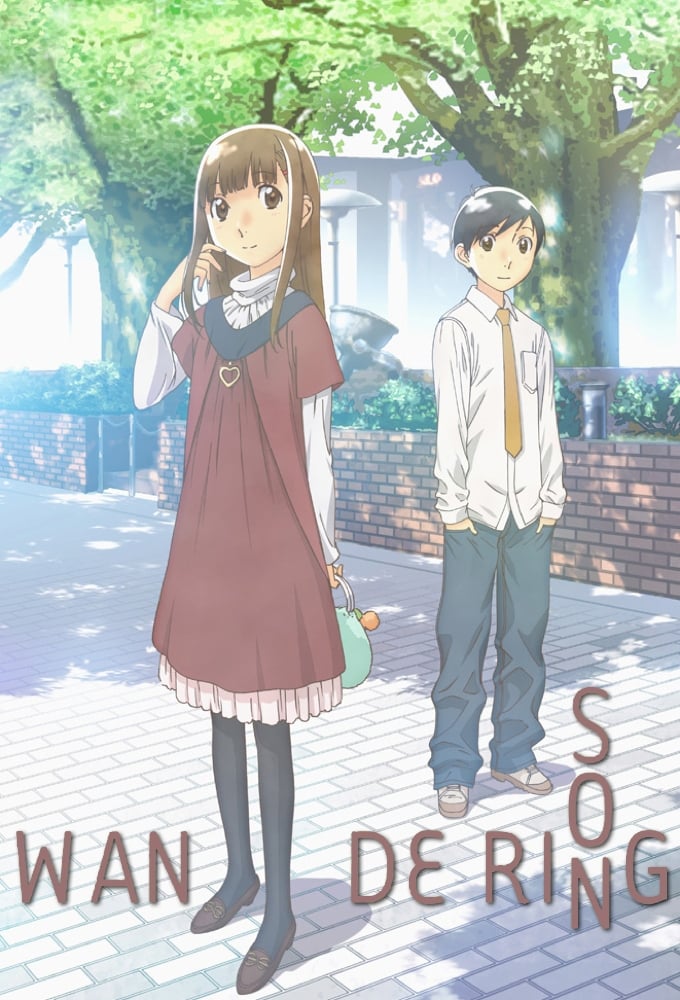
Wandering Son
2011
Original language: Japanese
- animation
- drama
The story
Shuichi Nitori transfers to a new elementary school, and there, meets Yoshino Takatsuki. The two children discover they share a similar secret.
What it’s like
Soft, slightly washed-out colours and muted pastel palettes give the rooms and streets a gentle, hazy feel, with plenty of quiet interior light through windows and overcast school days. Stylised compositions often leave wide empty space around small figures, and the camera lingers on ordinary pauses: a walk home, a shared glance, a silent bedroom. The score is sparse and melodic, with simple piano and light strings that drop away to ambient quiet, so the silences carry much of the weight. Its vibe is tender and wistful, with a thread of gentle unease, the kind of show that suits a rainy afternoon, a late evening alone, or a slow, attentive rewatch. Pacing is unhurried and episodic. The emotional arc follows two pre-teen friends slowly finding words for who they are while navigating family expectations, teasing and the pressure to fit in, and the bond between them grows warm and steady. Intensity is low: there is no gore and no graphic violence, though school cruelty, bullying and family tension appear and land with real emotional sting. Sexual content is absent. It is for viewers who want a thoughtful, sincere queer coming-of-age story told with patience and care.
More TV shows like Wandering Son
Closest in mood, pacing and theme. Tell us why you loved Wandering Sonand we’ll explain which ones fit you.