Guitar Hero
2005
- music
- party
- single player
- multiplayer
- co-operative
The story
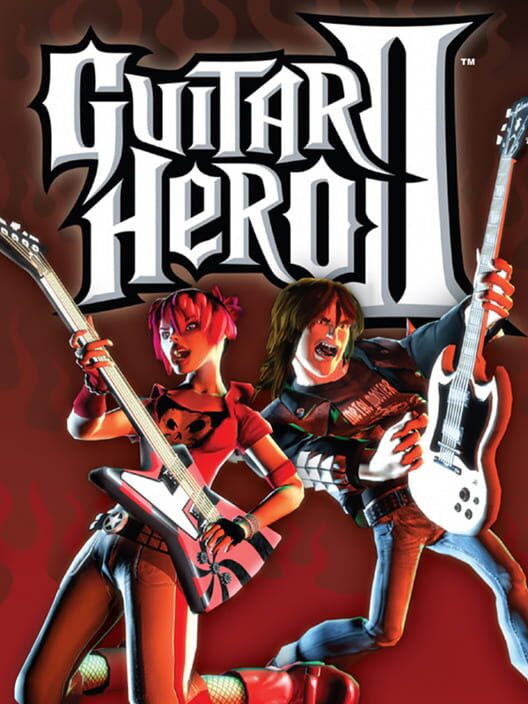
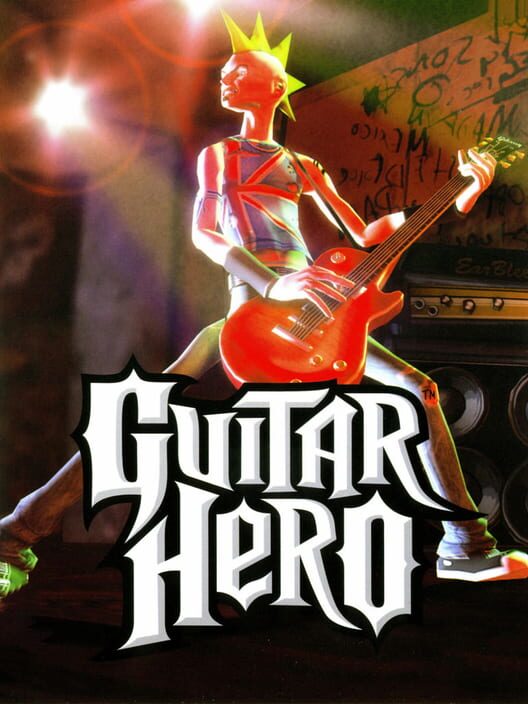
Guitar Hero is a 2005 music rhythm video game developed by Harmonix and published by RedOctane for the PlayStation 2. It is the first entry in the Guitar Hero series. Guitar Hero was released in November 2005 in North America, April 2006 in Europe and June 2006 in Australia. The game's development was a result of collaboration between RedOctane and Harmonix to bring a Guitar Freaks-like game to United States. The game features a guitar-shaped controller (resembling a miniature Gibson SG) that the player uses to simulate playing rock music. The gameplay is similar to GuitarFreaks, in that the player presses buttons on the guitar controller in time with musical notes that scroll on the game screen. The game features covers of 30 popular rock songs spanning five decades of rock, from the 1960s up through 2005, in addition to bonus tracks. Guitar Hero became a surprise hit, earning critical acclaim and winning many awards from major video game publications, and was considered one of the most influential games of the first decade of the 21st century. The game's success launched the Guitar Hero franchise, which has earned more than $2 billion in sales, spawning several sequels, expansions, and other game-related products.
What it’s like
Bright, cartoonish club energy: a dark stage lit by flashing spotlights, crowds of animated rockers, and a shiny plastic guitar that clacks against the rhythm of every song. The art direction is glossy mid-2000s PlayStation 2 polish, with the note highway glowing in saturated colour while the fretboard rolls toward the player and the crowd pulses with each successful streak. The soundtrack is the main texture: thirty cover versions of rock hits spanning the 1960s through 2005, played loud and clean, with the guitar riff always front and centre. Its vibe is exuberant and a little goofy, built for a loud Friday night with friends, a party where everyone takes turns on the plastic guitar, or a solo session of chasing a higher score on a song you know by heart. The pacing is brisk and repetitive in the satisfying way of practice, each track a short burst of focus followed by a menu screen and another song, and the emotional register is pure triumph and mild frustration when a streak breaks. Intensity is very low: no violence, gore, or sexual content, just the stress of a missed note. It suits people who want upbeat, sociable fun, anyone who loves classic rock, and players drawn to rhythm games for their tactile, competitive joy.
More games like Guitar Hero
Closest in mood, pacing and theme. Tell us why you loved Guitar Heroand we’ll explain which ones fit you.