The Invention of Hugo Cabret
1920
- historical fiction
- juvenile fiction
- railroad stations
- robots
- fiction
- nyt:chapter_books=2010-03-13
- history
- orphans
- estaciones
- spanish language materials
The story
ORPHAN, CLOCK KEEPER, AND THIEF, twelve-year-old Hugo lives in the walls of a busy Paris train station, where his survival depends on secrets and anonymity. But when his world suddenly interlocks with an eccentric girl and the owner of a small toy booth in the train station, Hugo’s undercover life, and his most precious secret, are put in jeopardy. A cryptic drawing, a treasured notebook, a stolen key, a mechanical man, and a hidden message all come together...in The Invention of Hugo Cabret. This 526-page book is told in both words and pictures. The Invention of Hugo Cabret is not exactly a novel, and it’s not quite a picture book, and it’s not really a graphic novel, or a flip book, or a movie, but a combination of all these things. Each picture (there are nearly three hundred pages of pictures!) takes up an entire double page spread, and the story moves forward because you turn the pages to see the next moment unfold in front of you. ([source](https://www.theinventionofhugocabret.com/about_hugo_intro.htm))
What it’s like
Pencil-drawn double-page spreads in soft graphite grey, with a sepia-tinted warmth that turns the Paris station into a world of shadowed iron, clockwork gears and dusty machinery. Most of the book is wordless: the story unfolds as you turn pages, each illustration lingering in a slow, cinematic progression of close-ups, long shadows and wide views of the great hall, so the rhythm feels like a film being paged through by hand. Vibe: quiet wonder, bittersweet and hushed, the kind of book to read on a rainy afternoon or at bedtime with a lamp on. Pacing is patient, with stretches of silent looking that reward slowing down. Emotionally it follows a lonely, resourceful boy who keeps himself hidden and slowly learns to trust a few people, and the mood stays tender and mysterious rather than frightening. Intensity is low: some peril and a sense of loss, with no gore or graphic violence. It suits young readers, families reading together, and adults who love illustrated storytelling and gentle, old-fashioned mystery.
More books like The Invention of Hugo Cabret
Closest in mood, pacing and theme. Tell us why you loved The Invention of Hugo Cabretand we’ll explain which ones fit you.
- La sombra del viento2001 · Book
- All the Light We Cannot See2014 · Book
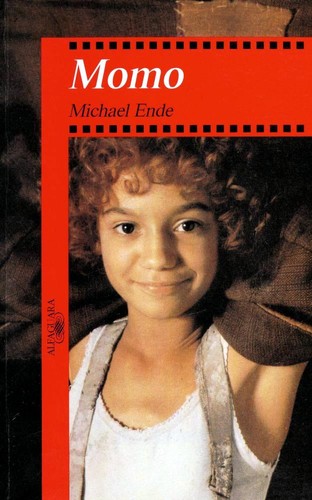
- Momo oder Die seltsame Geschichte von den Zeit-Dieben und von dem Kind, das den Menschen die gestohlene Zeit zurückbrachte1973 · Book
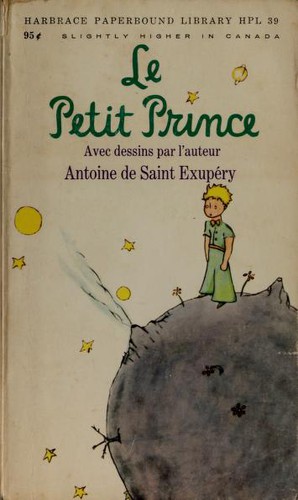
- Le petit prince1943 · Book
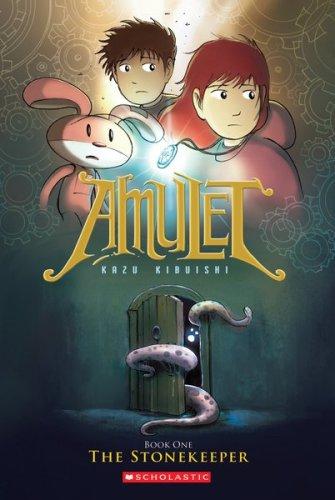
- Amulet2008 · Book
- The Time Machine1895 · Book
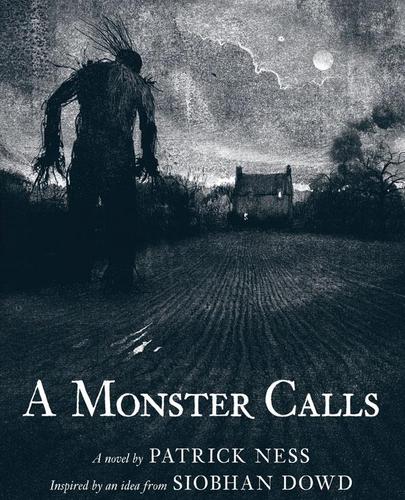
- A Monster Calls2011 · Book
- The Illustrated Man1951 · Book